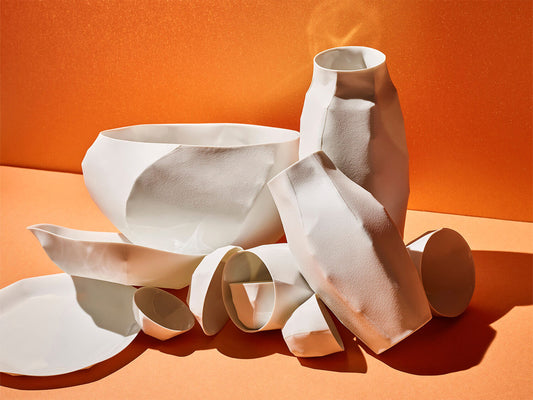
Kategorie: Tischkultur
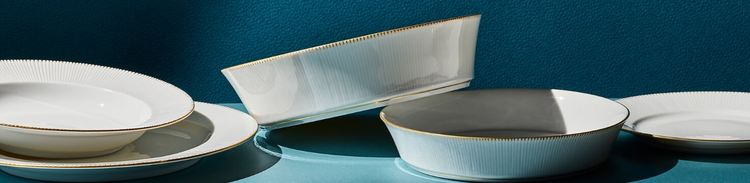
-
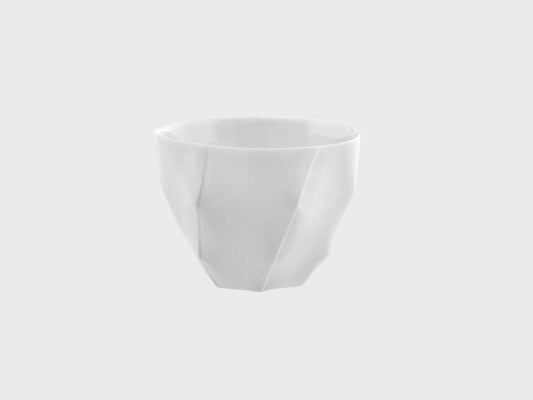
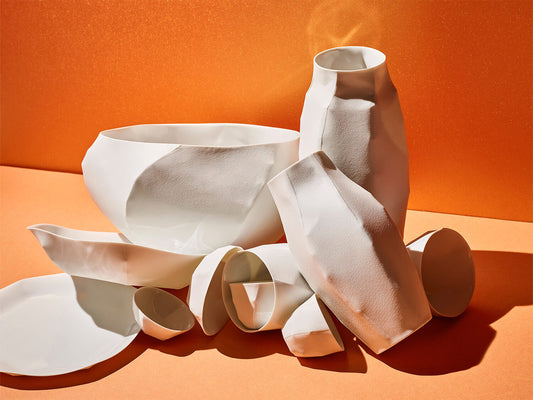 AusverkauftEspressobecher | LightscapeNormaler Preis 80,00 EuroNormaler PreisGrundpreis pro
80,00 EuroVerkaufspreis 80,00 EuroAusverkauft -
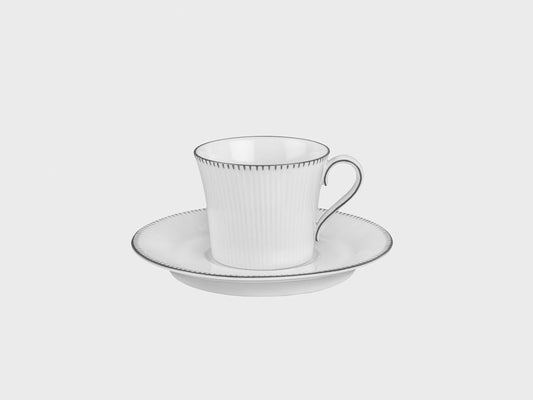
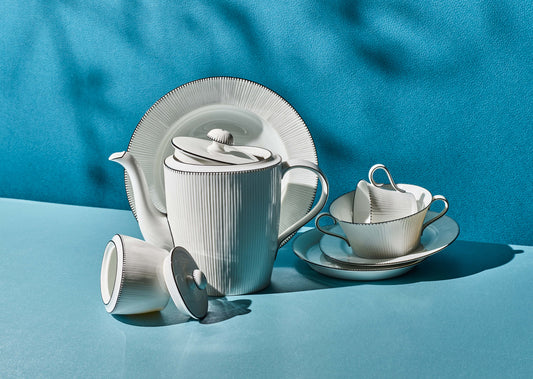 AusverkauftEspressotasse | Adonis | Schwarze ZackenNormaler Preis 570,00 EuroNormaler PreisGrundpreis pro
550,00 EuroVerkaufspreis 570,00 EuroAusverkauft -
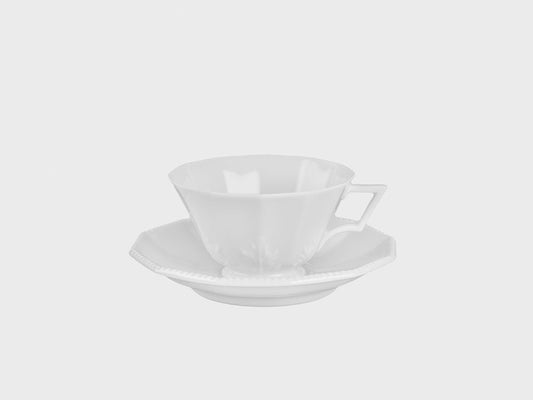
Espressotasse | PerlNormaler Preis 310,00 EuroNormaler PreisGrundpreis pro
310,00 EuroVerkaufspreis 310,00 Euro -
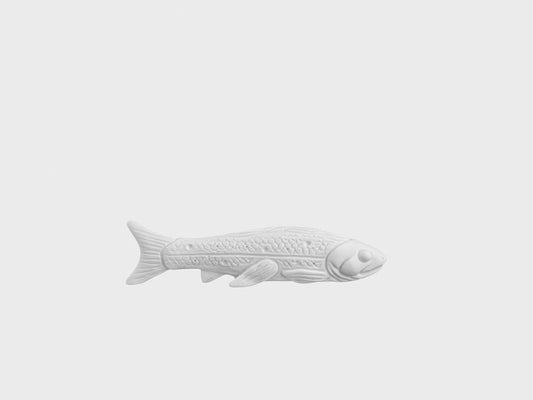
Messerbänkchen FischNormaler Preis 180,00 EuroNormaler PreisGrundpreis pro
180,00 EuroVerkaufspreis 180,00 Euro -
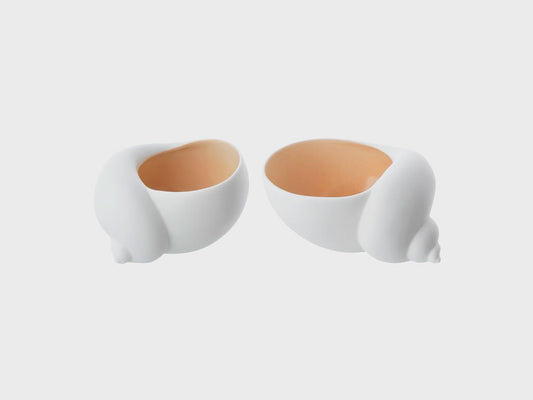
Salz und Pfeffer Muschel SetNormaler Preis 320,00 EuroNormaler PreisGrundpreis pro
320,00 EuroVerkaufspreis 320,00 Euro -
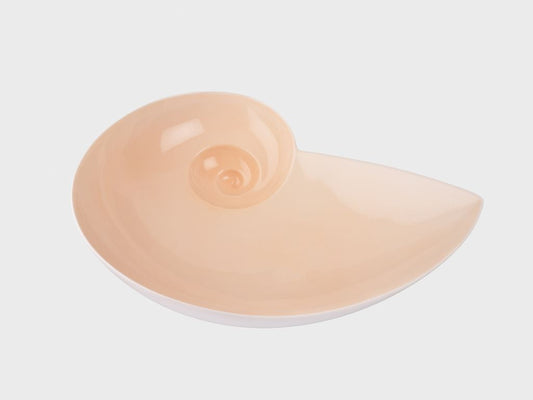
Mondschneckenschale | LNormaler Preis 2.250,00 EuroNormaler PreisGrundpreis pro
2.160,00 EuroVerkaufspreis 2.250,00 Euro -
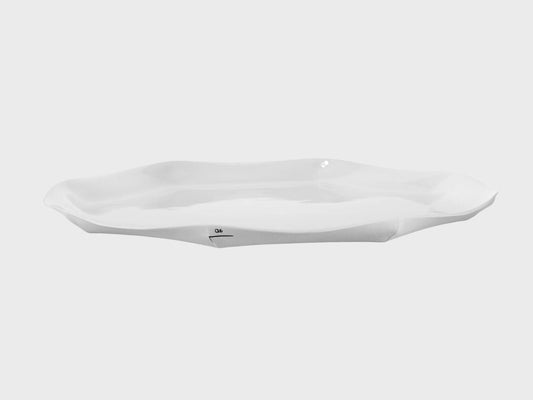
Teller | Lightscape | Épure | 31 cmNormaler Preis 490,00 EuroNormaler PreisGrundpreis pro
470,00 EuroVerkaufspreis 490,00 Euro -
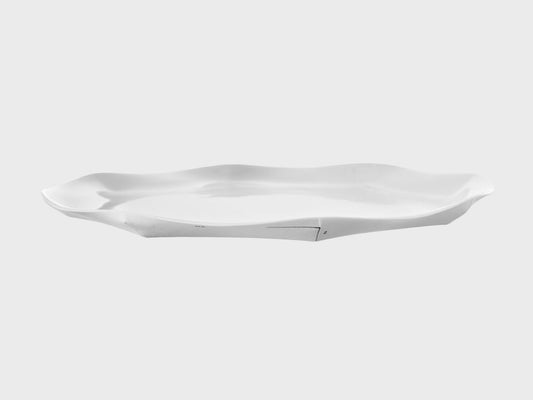
Teller | Adonis | 31 cmNormaler Preis 480,00 EuroNormaler PreisGrundpreis pro
460,00 EuroVerkaufspreis 480,00 Euro -
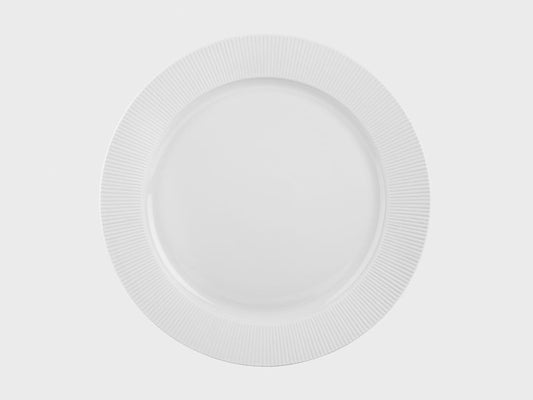
Teller | Perl | 32 cmNormaler Preis 400,00 EuroNormaler PreisGrundpreis pro
380,00 EuroVerkaufspreis 400,00 Euro -
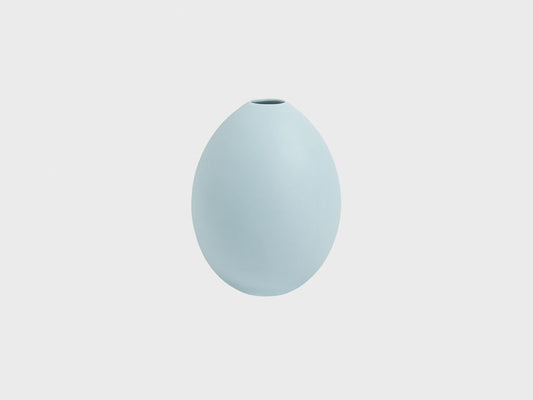
Eivase Gänseei | Blau | SNormaler Preis 120,00 EuroNormaler PreisGrundpreis pro
120,00 EuroVerkaufspreis 120,00 Euro -
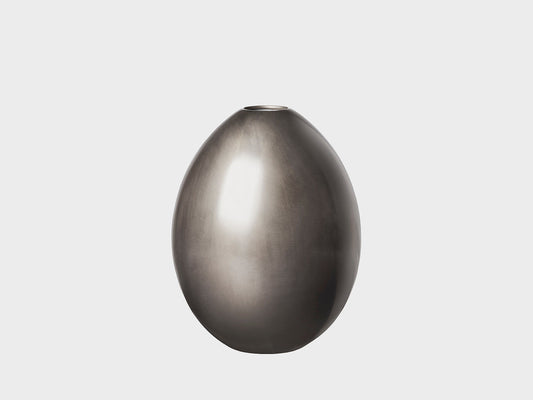 AusverkauftEivase Gänseei | Platin | SNormaler Preis 360,00 EuroNormaler PreisGrundpreis pro
350,00 EuroVerkaufspreis 360,00 EuroAusverkauft -
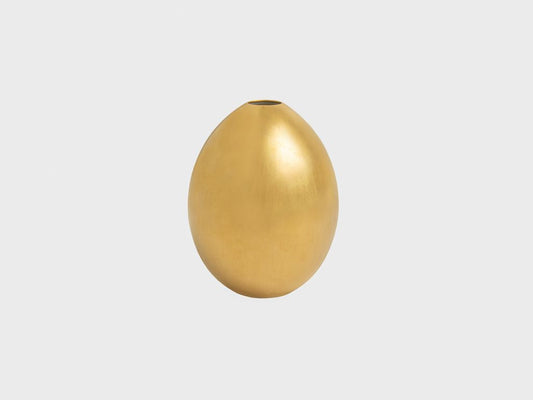
Eivase Gänseei | Gold | SNormaler Preis 360,00 EuroNormaler PreisGrundpreis pro
350,00 EuroVerkaufspreis 360,00 Euro -
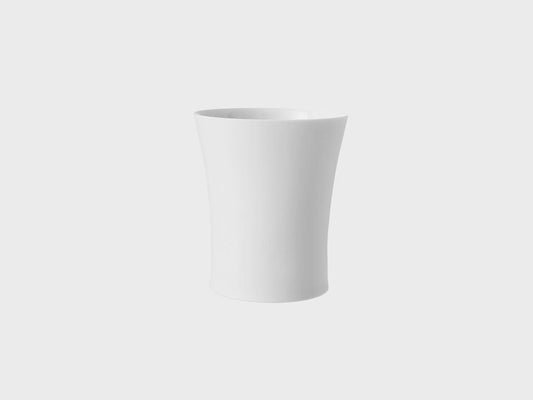
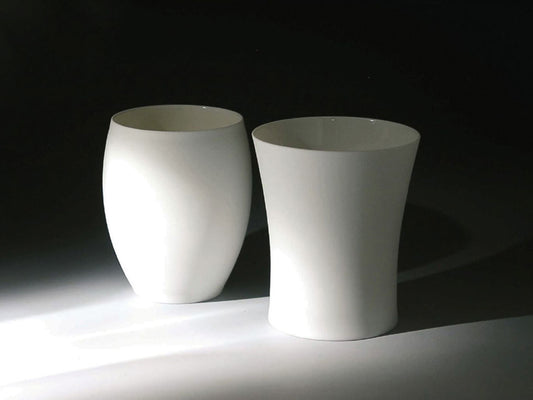
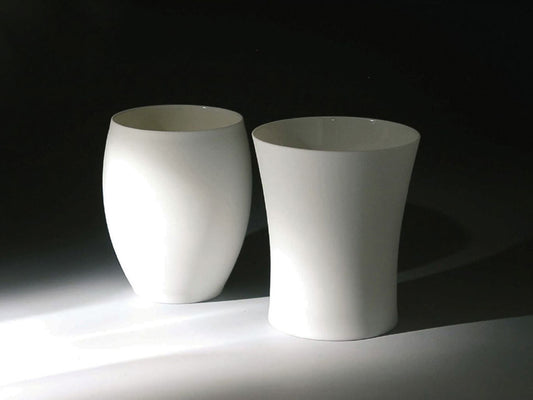
Becher KonkavNormaler Preis 160,00 EuroNormaler PreisGrundpreis pro
160,00 EuroVerkaufspreis 160,00 Euro -
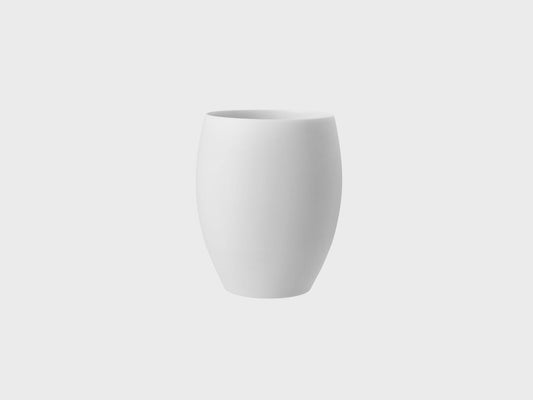
Becher KonvexNormaler Preis 160,00 EuroNormaler PreisGrundpreis pro
160,00 EuroVerkaufspreis 160,00 Euro -
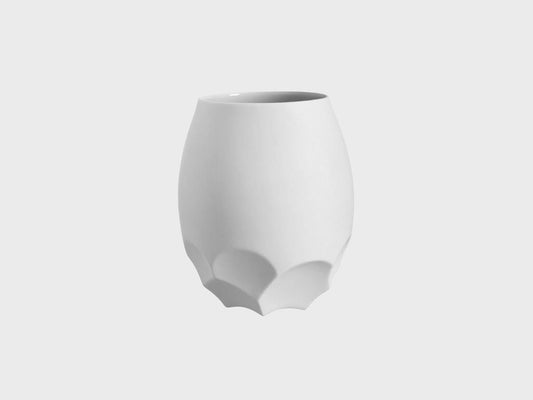 AusverkauftBecher | TortoiseNormaler Preis 160,00 EuroNormaler PreisGrundpreis pro
160,00 EuroVerkaufspreis 160,00 EuroAusverkauft -
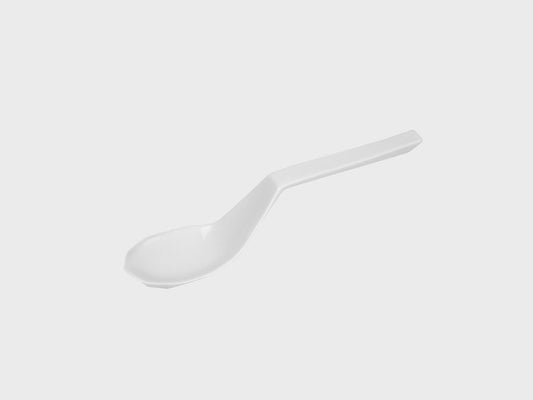
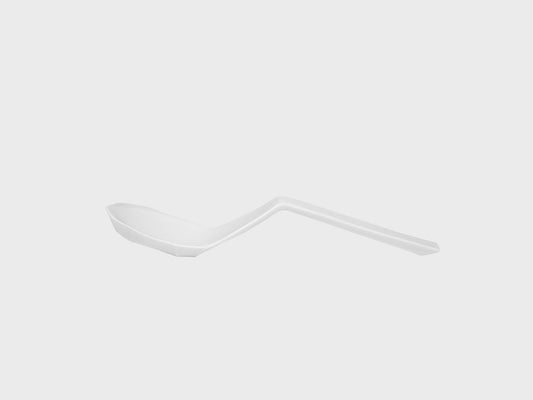
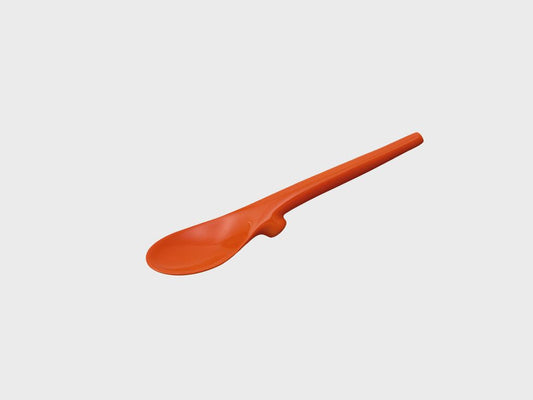
Löffel | LightscapeNormaler Preis 140,00 EuroNormaler PreisGrundpreis pro
140,00 EuroVerkaufspreis 140,00 Euro -
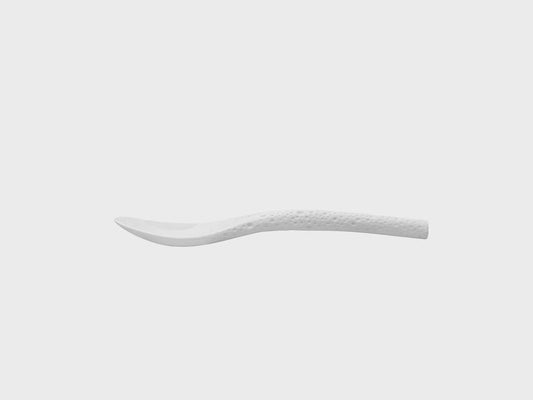
KorallenlöffelNormaler Preis 280,00 EuroNormaler PreisGrundpreis pro
280,00 EuroVerkaufspreis 280,00 Euro -
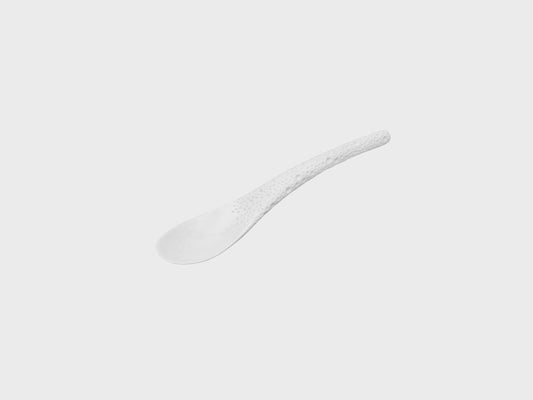
KorallenlöffelNormaler Preis 140,00 EuroNormaler PreisGrundpreis pro
140,00 EuroVerkaufspreis 140,00 Euro -
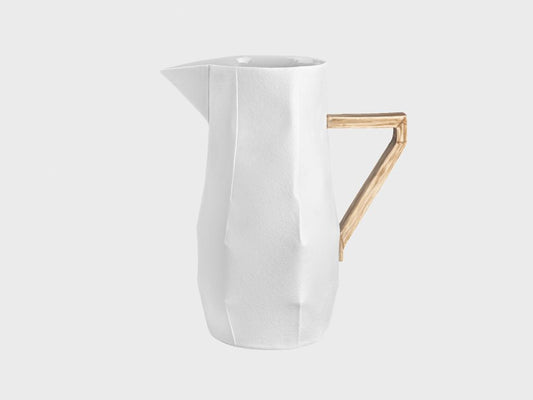
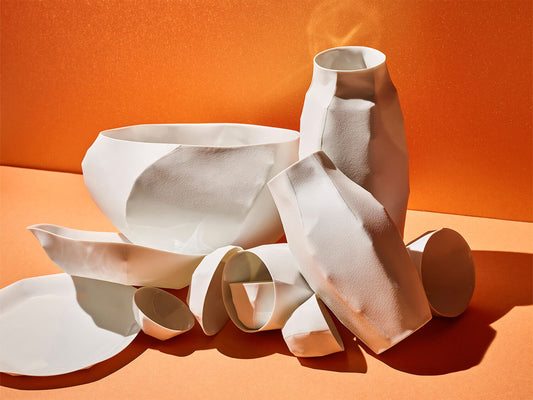
Karaffe | LightscapeNormaler Preis 840,00 EuroNormaler PreisGrundpreis pro
810,00 EuroVerkaufspreis 840,00 Euro -
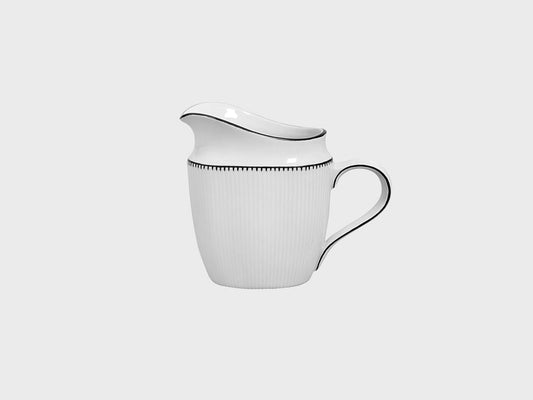
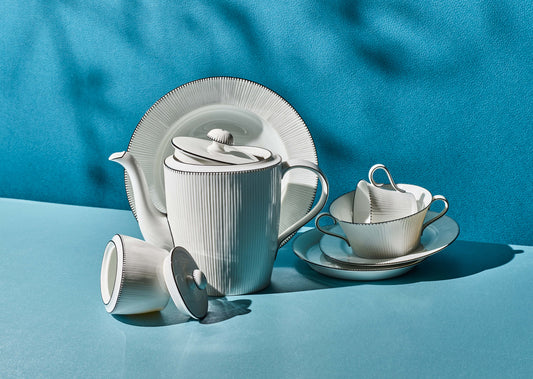 AusverkauftKännchen | Adonis | Schwarze ZackenNormaler Preis 600,00 EuroNormaler PreisGrundpreis pro
580,00 EuroVerkaufspreis 600,00 EuroAusverkauft -
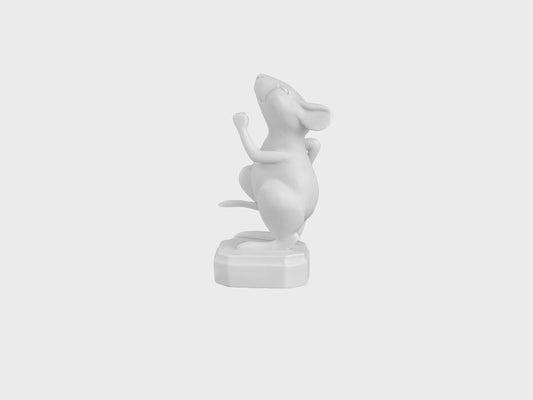
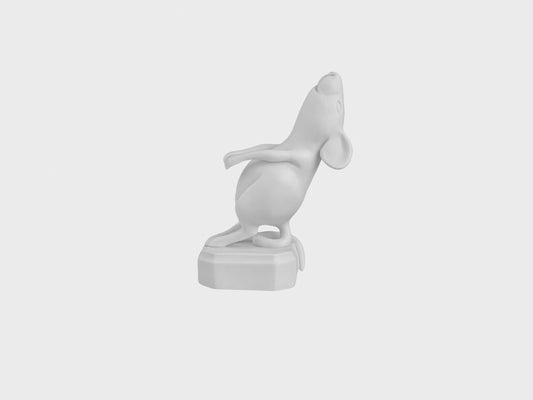
Maus Karl der AthletNormaler Preis 240,00 EuroNormaler PreisGrundpreis pro
240,00 EuroVerkaufspreis 240,00 Euro -
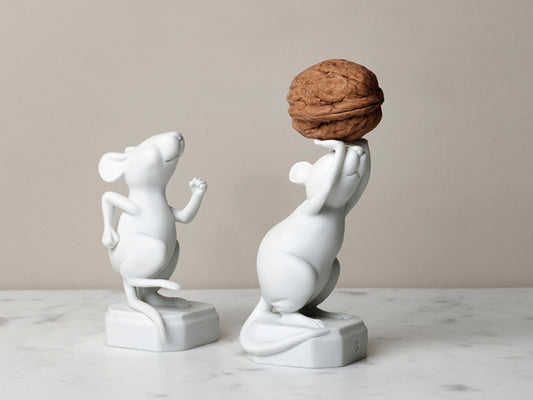
Maus Karl der GeschenkboteNormaler Preis 240,00 EuroNormaler PreisGrundpreis pro
240,00 EuroVerkaufspreis 240,00 Euro -
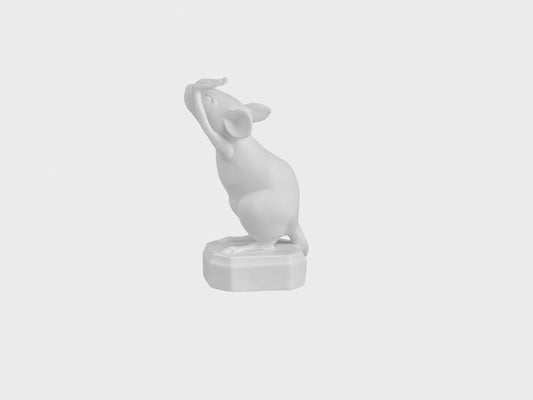
Maus Karl der StrippenzieherNormaler Preis 240,00 EuroNormaler PreisGrundpreis pro
240,00 EuroVerkaufspreis 240,00 Euro -
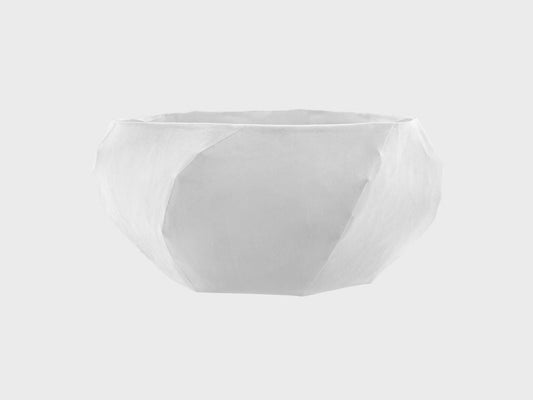
Schale groß | LightscapeNormaler Preis 740,00 EuroNormaler PreisGrundpreis pro
710,00 EuroVerkaufspreis 740,00 Euro